
What Is Pool Coping, and How Do You Choose the Right Material?
What Is Pool Coping, and How Do You Choose the Right Material?
If you've ever looked at the edge running around the top of a pool, you've seen pool coping. It's easy to overlook, but it does real work. Pool coping caps the edge where the pool shell meets the deck, protects the structure, sheds water away from the pool, and gives you a safe edge to grip and sit on. It also sets the look of the whole pool. In New Jersey, coping has an extra job, since freeze-thaw winters put stress on the edge and the mortar under it. Choosing the right material and installing it well is what keeps coping from cracking or lifting after a cold season. In this guide, we'll cover what pool coping is, the most popular materials, how New Jersey weather should shape your choice, and when it makes sense to repair coping versus replace it. By the end, you'll know how to pick an edge that looks great and lasts.
What pool coping is and why it matters
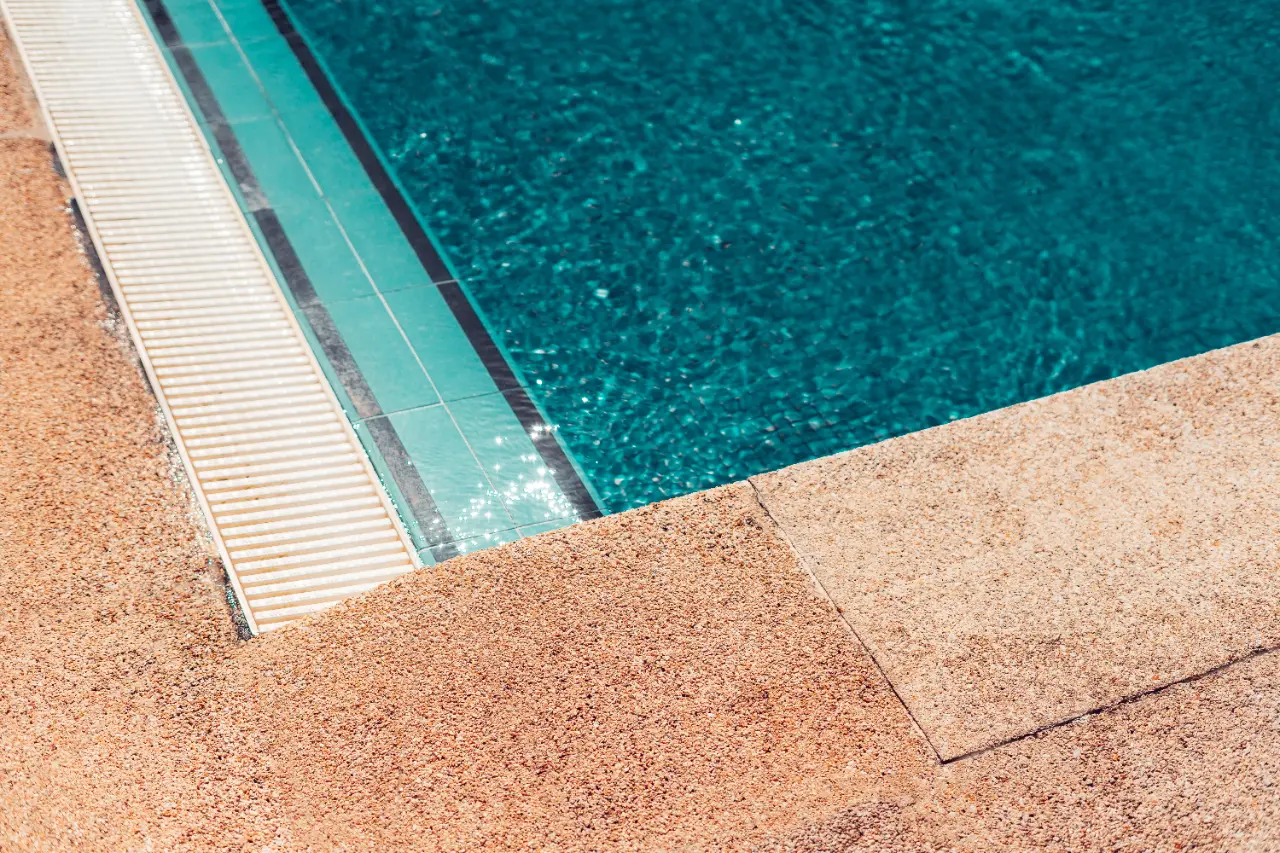
Pool coping is the capped border that runs around the top edge of a pool, right where the shell meets the deck. It's more than a finishing touch. Coping caps and protects the pool structure, which keeps water and debris from working into the joint. It also slopes water away from the pool instead of letting it run back in.
On top of that, coping gives you a safe, comfortable edge to grab or sit on. And because it frames the whole pool, it has a big say in how the finished space looks. Skimp on coping, and even a great pool can feel unfinished. Get it right, and the edge ties the pool, deck, and hardscape together into one clean space.
Popular coping materials
You have a few solid options, and each has a personality. Travertine is a favorite in New Jersey because it looks high-end and stays cooler underfoot in summer sun. Natural stone, like bluestone or limestone, brings texture and a premium finish with great grip. Pavers let you match the coping to a paver deck for one continuous look. Precast concrete gives a clean, uniform edge at a more budget-friendly price.
There's no single best pick, since it depends on your deck, your style, and your budget. What matters just as much as the material is the install. Any of these lasts when it's set on a proper mortar bed and sloped to drain. Set poorly, even the best stone will lift or crack.
How New Jersey weather affects your choice
New Jersey's freeze-thaw winters are hard on pool edges. Water works into gaps, freezes, expands, and can pop coping loose or crack the mortar under it. That's why material and installation both matter here. Dense, freeze-resistant materials like travertine and quality natural stone tend to hold up well.
Whatever you choose, the coping has to be set on a solid bed and sloped so water drains away instead of pooling and freezing at the joint. Summer matters too, since a light-colored, natural material like travertine stays cooler on bare feet than dark concrete. The takeaway is simple. In New Jersey, pick a material that handles freeze-thaw, and make sure it's installed to shed water. That combination is what keeps the edge tight for years.
Repair versus replacement
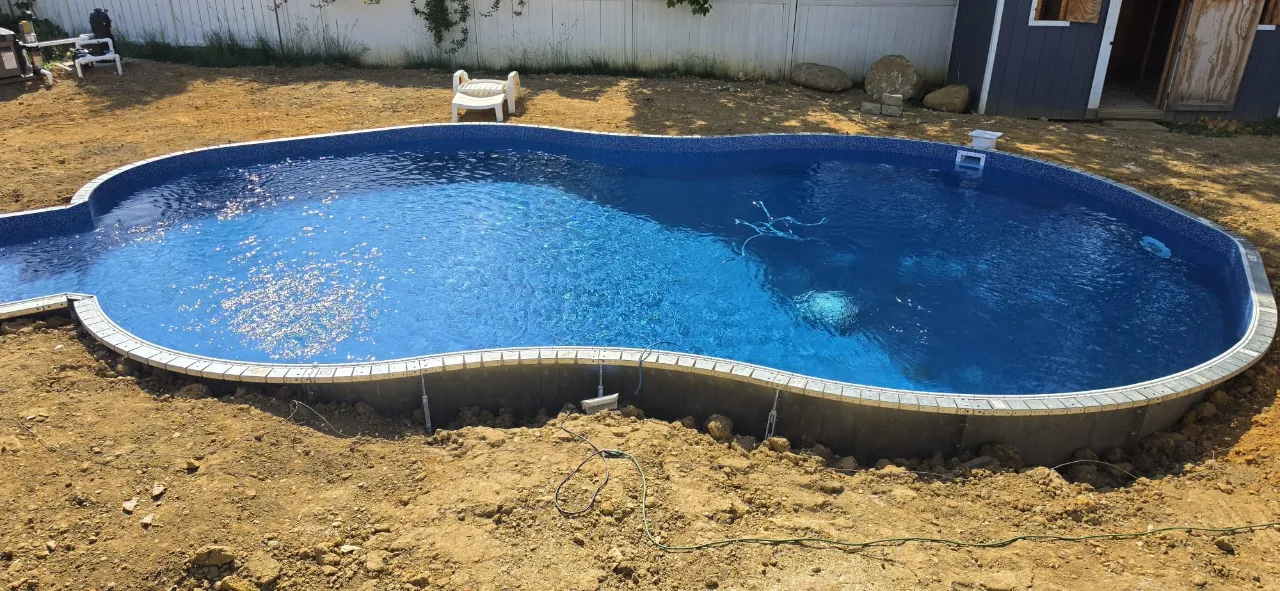
Coping doesn't always need a full redo. If a few pieces have lifted or the mortar joints are cracking, a repair can reset the loose pieces and re-point the joints before water gets behind the edge. Caught early, that's often all it takes.
Replacement makes sense when the coping is widely cracked, badly worn, or dated enough that you want a new look. Swapping tired concrete for travertine or stone can transform an older pool without touching the shell. The right call depends on how much of the coping is failing and what you want the pool to look like. A quick assessment tells you whether a targeted repair will hold or whether a full replacement is the smarter spend.
Pool Coping FAQ
It's the capped edge around the top of a pool, where the shell meets the deck. It protects the structure, sheds water away, and gives a safe edge to grip and sit on.
Travertine and natural stone are popular here since they look great and handle freeze-thaw well. Pavers and precast work too. The right pick depends on your deck and budget.
Travertine is a light-colored natural stone, so it reflects more sun and absorbs less heat than dark concrete. That makes it easier on bare feet around the pool in summer.
Yes. Coping replacement swaps out cracked or lifted pieces and restores the edge, without rebuilding the whole pool.
With the right material and a proper install, coping lasts for many years. Good drainage and a solid mortar bed are what help it survive freeze-thaw winters.