
Why Is My Concrete Cracking, and Can It Be Fixed?
Why Is My Concrete Cracking, and Can It Be Fixed?
If you're staring at a crack in your driveway or patio, you're not alone. Concrete cracking is one of the most common problems homeowners in New Jersey deal with. Some cracks are harmless and expected. Others point to a base or drainage problem that'll only get worse if you ignore it. The tricky part is telling the difference. New Jersey makes it harder, because freeze-thaw winters and road salt put extra stress on every slab. A driveway that looked perfect in the fall can show hairline cracks by spring. In this guide, we'll walk through why concrete cracks, which cracks you can live with, and which ones need attention. We'll also cover how a good pour prevents most cracking in the first place, and when a repair beats a full replacement. The goal is simple. By the end, you'll know exactly what you're looking at and what to do next.
Common reasons concrete cracks
Most cracks trace back to a few causes. A weak or poorly compacted base is the big one, since the slab settles and splits when the ground shifts under it. Skipping control joints is another. Joints give concrete a planned place to crack, so it doesn't crack randomly. Fast or uneven curing also causes problems, because concrete that dries too quickly shrinks and pulls apart.
Then there's the New Jersey factor. Water gets into tiny gaps, freezes, expands, and pries the concrete open over winter. Road salt makes it worse by speeding up surface damage. None of this means concrete is a bad choice. It just means the prep and the pour have to be done right for the slab to last.
Which cracks are normal and which are serious
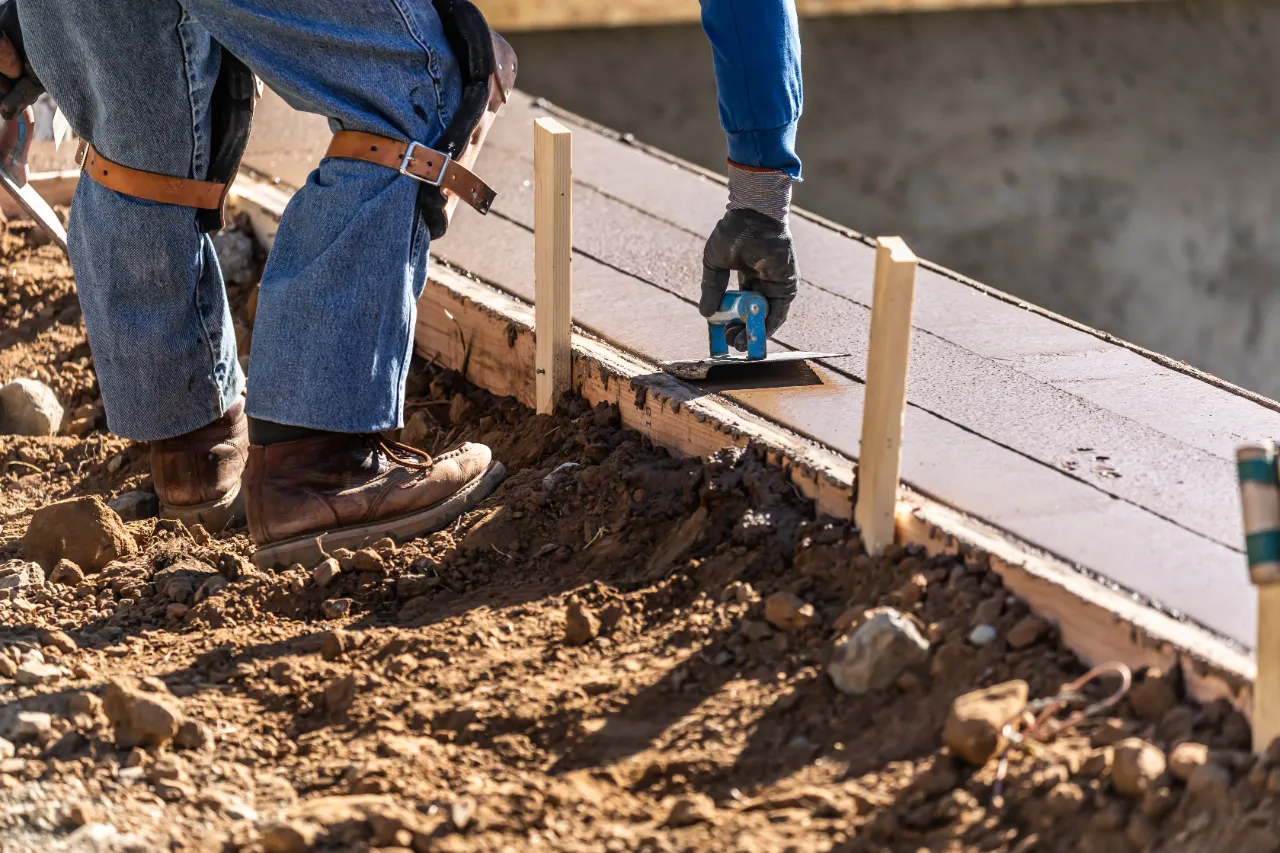
Not every crack is a red flag. Thin hairline cracks on the surface are common and usually cosmetic. They show up as concrete cures and the slab settles. You can often seal them and move on.
The cracks to worry about are wider ones, cracks with uneven edges where one side sits higher than the other, and cracks that keep growing. Those point to a base, drainage, or settling problem under the slab. Cracks near a driveway edge that's sinking are also a warning sign. If water pools on the slab or runs toward your foundation, that's worth addressing fast. When in doubt, it's smart to have someone look before a small crack turns into a full failure that needs a tear-out.
How to prevent cracking on a new pour
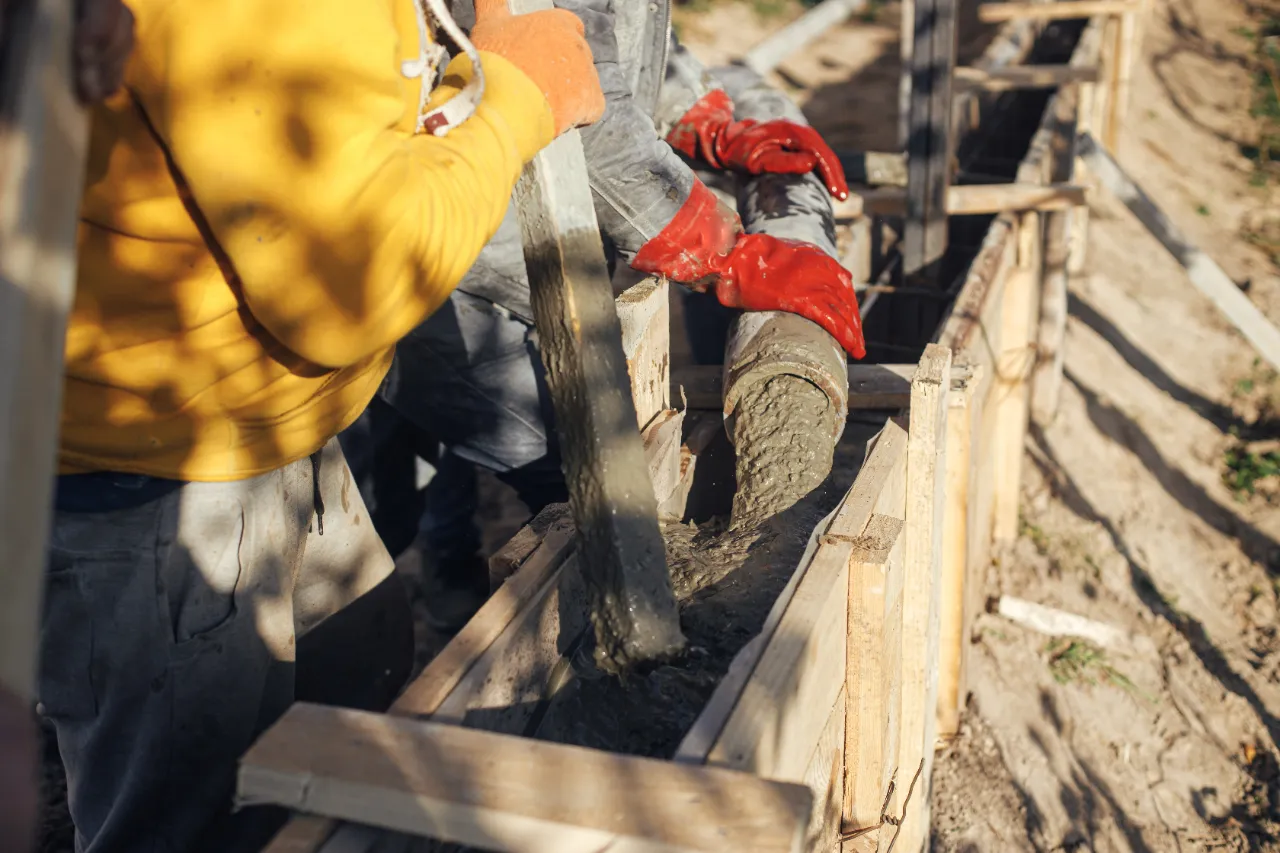
Prevention starts long before the concrete truck shows up. A solid slab needs a deep, compacted base of the right material, graded so water drains away instead of pooling. Control joints should be cut at proper spacing, so the concrete cracks where you want it to. The mix matters too, since the right strength for the job resists wear and weather.
Curing is the step people skip most. Concrete needs time and moisture to cure slowly, which builds strength and limits shrinkage cracks. In New Jersey, timing the pour for mild, dry weather helps a lot. When all of this is handled by a crew that pours concrete the right way, most cracking just doesn't happen. That's the whole point of good prep.
When to repair versus replace
Small, stable cracks are usually a repair. Sealing or filling them keeps water out and stops the freeze-thaw damage from spreading. If the surface is flaking or spalling but the slab is sound, a resurfacing can buy years.
Replacement makes sense when the slab is badly cracked, sinking, or heaving, since patching a failing base only delays the problem. The honest answer depends on what's under the concrete, not just the crack you see on top. That's why a real look at the slab beats a guess. A contractor can tell you whether a repair will hold or whether the money is better spent on a new pour done right the first time.
Concrete Cracking FAQ
Some hairline cracking is normal as concrete cures and settles. Wide, uneven, or growing cracks are not, and usually point to a base or drainage issue worth checking.
Stable cracks can often be sealed or resurfaced. Concrete that's sinking, heaving, or badly cracked usually needs replacing, since patching a failing base won't last.
Freeze-thaw winters and road salt are the main reasons. Water gets in, freezes, expands, and pries the slab open, while salt speeds up surface damage.
You can't stop every hairline crack, but good prep does most of the work. A compacted base, proper control joints, the right mix, and slow curing prevent most cracking.
Sooner is better. Sealing a small crack keeps water out before winter, which stops freeze-thaw from widening it into a bigger, costlier repair.