Is My Retaining Wall Failing? Warning Signs to Watch For
Is My Retaining Wall Failing? Warning Signs to Watch For
A retaining wall has one job. It holds back soil and keeps your yard where it belongs. When a wall starts to fail, it rarely happens overnight. It leans a little, then a little more, until one hard rain pushes it past the point of repair. Catching the warning signs early can save you a full rebuild. In New Jersey, walls take a beating. Freeze-thaw winters, heavy spring rain, and sloped, clay-heavy lots all put pressure on the structure. The most common cause of failure isn't the wall itself. It's water with nowhere to go. In this guide, we'll cover why retaining walls fail, the warning signs that mean trouble, and what to do when you spot them. We'll also explain when a wall can be repaired and when it's safer and smarter to rebuild. If your wall looks a little off, this'll help you figure out how worried to be.
Why retaining walls fail
Most failures come down to water and pressure. When water builds up behind a wall, it adds weight and pushes the wall outward. If there's no drainage to relieve that pressure, the wall slowly loses the fight. In New Jersey, freeze-thaw makes it worse, because trapped water freezes, expands, and shoves the wall over winter. A weak or shallow base is another cause, since a wall is only as solid as what it sits on.
Walls that were built too tall without proper reinforcement also tend to lean over time. Clay soil holds water and swells, adding even more force. The pattern is almost always the same. A wall built without drainage and a proper base will eventually move, no matter how good it looked on day one.
Warning signs to watch for
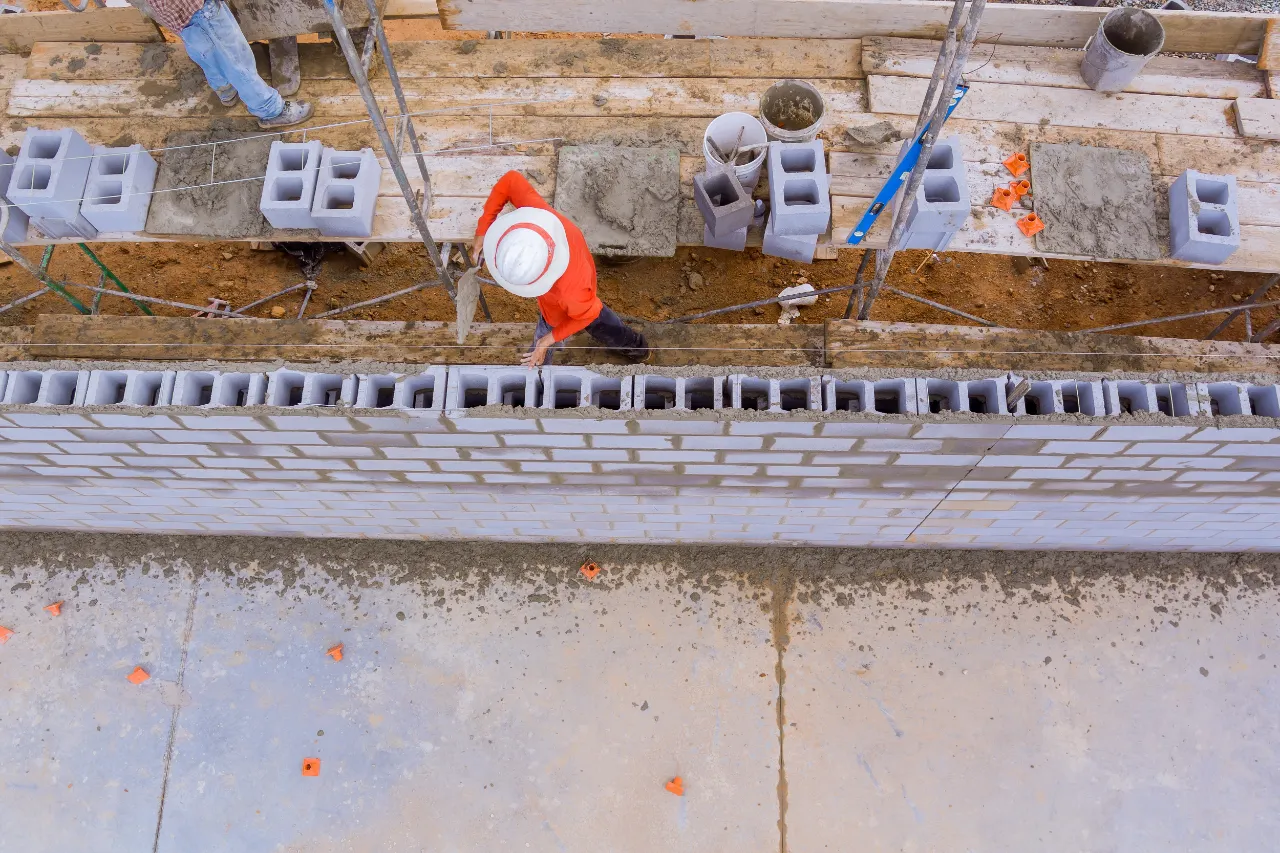
A failing wall usually tells you before it falls. Leaning is the clearest sign, especially if the top tilts forward more than it used to. Bulging in the middle means soil pressure is winning. Cracks that are widening, or steps in a block wall that no longer line up, point to movement.
Soil or water washing out from behind or under the wall is another red flag. So is a wall that's separating from the ground or pulling away at the ends. Pooling water near the base after rain tells you drainage isn't working. None of these fix themselves. They tend to speed up once they start, since every bit of movement lets in more water and adds more pressure. Spotting them early gives you options.
What to do when you spot a problem
First, don't ignore it. A leaning or bulging wall is a structure under load, and it can give way fast in heavy rain. Keep an eye on it and note whether the lean or crack is getting worse week to week. Clear any drains or weep holes that are blocked, since better drainage relieves pressure. Avoid piling extra weight near the top of the wall, like soil, vehicles, or a shed.
Then get a real assessment. A contractor can tell whether the wall can be reinforced and drained, or whether it's too far gone. In New Jersey, taller walls often need engineering and permits, so this isn't a guessing game. The earlier you act, the more likely a repair beats a full rebuild.
Repair or rebuild?
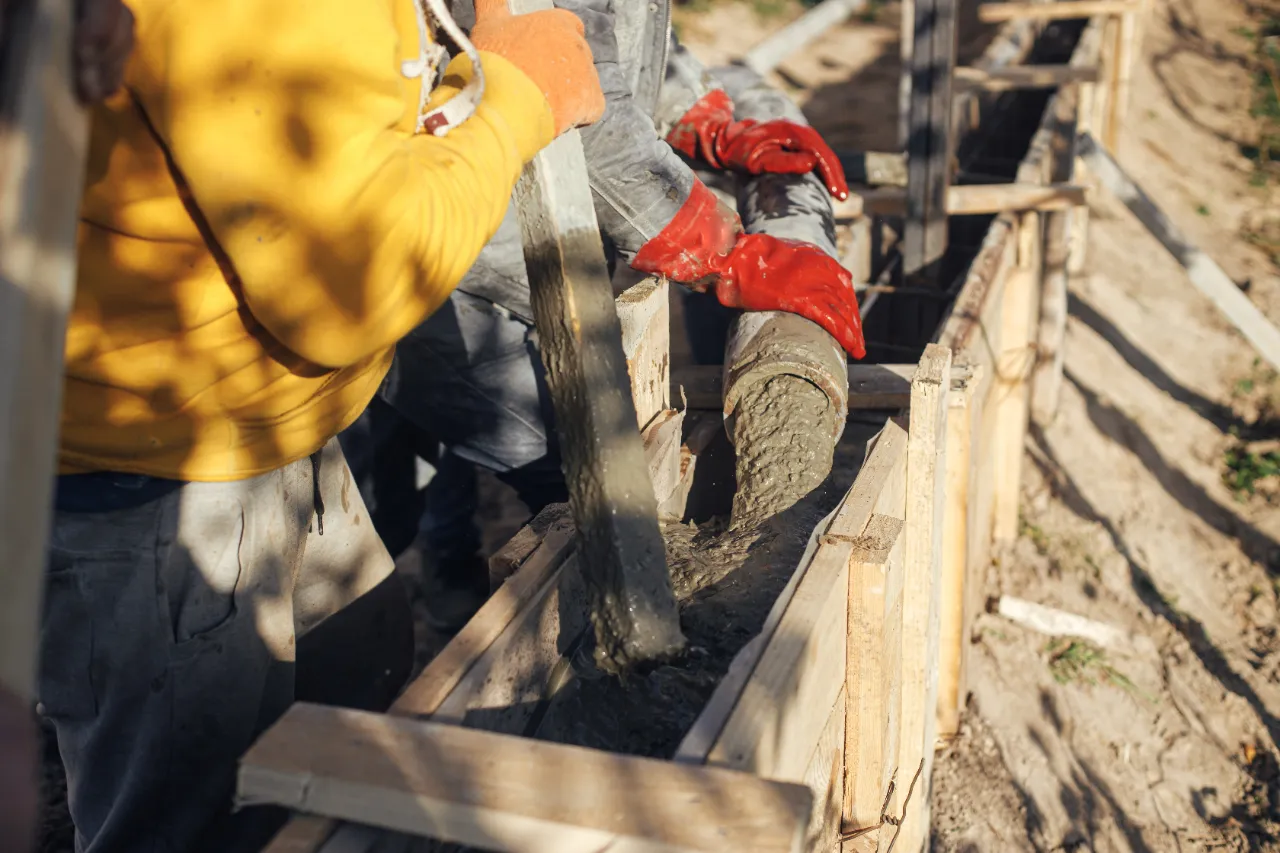
It depends on how far the wall has moved and why. If the structure is sound but drainage failed, adding proper drainage and backfill can save it. Minor leaning caught early can sometimes be corrected.
But a wall that's badly leaning, bulging, or separating usually needs a rebuild, because the base or the design is the real problem. Patching the face of a failing wall just hides the issue until the next big storm. A rebuild also gives you the chance to fix what went wrong, with the right base, drainage, and reinforcement built in. The honest call comes from looking at the whole wall, not just the worst crack. That's the difference between a fix that holds and money spent twice.
Retaining Wall FAQ
Look for leaning, bulging, widening cracks, or soil washing out from behind it. Pooling water at the base after rain is another sign drainage isn't working.
Usually water and pressure. Without drainage, water builds up behind the wall and pushes it out. Freeze-thaw, weak bases, and clay soil make it worse in New Jersey.
Sometimes, if it's caught early and the structure is sound. Badly leaning or bulging walls usually need a rebuild, since the base or design is the real issue.
It can be. A wall under load can give way during heavy rain, damaging property and anything below it. A leaning or bulging wall should be checked promptly.
Often, yes. Taller walls in New Jersey usually need a permit and engineered design. A contractor can confirm what your wall requires before work starts.